
 (509) 588-7993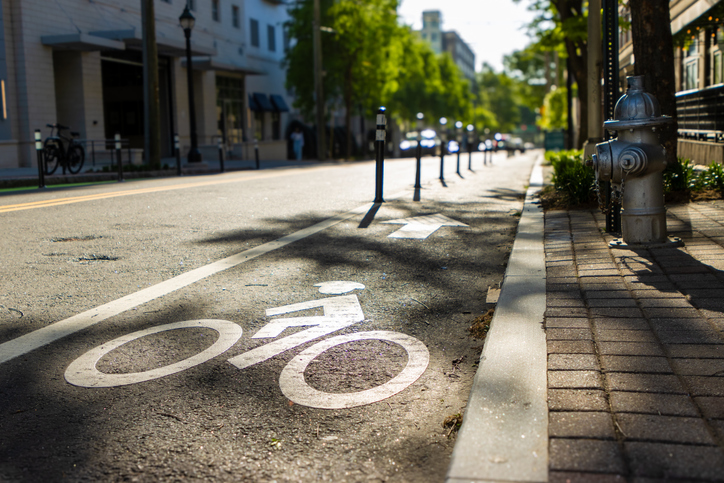
For decades, cities and towns across the United States have invested in dedicated bike lanes, protected cycling corridors, traffic-calming measures, and expanded trail systems; all intended to make cycling safer.
Yet despite these investments, bicycle accidents continue to rise. Cyclists remain vulnerable to serious injuries and fatalities, and the question is obvious: If more bike lanes exist than ever before, why are so many collisions still occurring?
Properly designed bicycle infrastructure generally improves safety. The problem is that micromobility and our roads are evolving faster than our laws, enforcement efforts, and understanding of how multiple transportation modes now compete for the same limited space.
Today, cyclists are no longer sharing the road only with automobiles. They are increasingly sharing bike lanes and pathways with e-bikes, e-scooters, electric skateboards, one-wheel devices, and a growing assortment of motorized transportation options. This new reality has created challenges that many communities are still struggling to address.
To learn more about why bike lanes alone are not enough and why bicycle accidents continue to rise in the age of micromobility, contact Altair Law. If you or someone you love has been injured in a bike wreck, schedule a consultation with our dedicated bicycle accident attorneys.
More Cyclists Mean More Opportunities for Collisions
One reason bicycle accidents continue to rise is straightforward: more people are riding. Cycling has grown significantly for commuting, recreation, and environmental reasons, and cities have invested heavily in infrastructure to accommodate that growth. While increased ridership is positive, it leads to greater exposure; more interactions between bicycles, vehicles, pedestrians, and other roadway users. Even where per-rider safety rates improve, total crash numbers may still rise.
The Rise of Micromobility Has Changed the Safety Equation
The most significant development affecting bicycle safety is the rapid proliferation of “micromobility”; small, motorized transportation devices that now routinely share bike lanes alongside conventional cyclists:
- Electric bicycles (e-bikes)
- Electric scooters (e-scooters)
- Electric skateboards
- One-wheel devices
- Motorized mobility devices
These devices are now commonplace in cities, suburbs, and smaller communities. Many are capable of speeds well exceeding those of traditional bicycles; some e-bikes travel at 20 to 28 miles per hour or more, meaning bike lanes designed for conventional pedal-powered bicycles now accommodate users traveling at dramatically different speeds and with varying levels of experience.
Speed Differences Create Dangerous Conditions
Speed differential is among the most common causes of bike lane collisions. Traditional cyclists typically travel between 10 and 15 miles per hour, while e-bike riders may travel nearly twice as fast.
The faster rider may attempt to pass in a narrow lane, increasing the likelihood of side-swipe collisions or loss of control. Sudden lane changes, unexpected braking, and limited reaction times become much more dangerous when users are moving at significantly different speeds.
Pedestrians are particularly vulnerable in these situations. A pedestrian crossing a bike lane may expect a conventional cyclist approaching at moderate speed but may be surprised by an e-bike or e-scooter traveling much faster.
The result is an increased risk of severe injury for everyone involved.
Bike Lanes Are Frequently Used by Vehicles That Do Not Belong There
Cyclists reasonably expect dedicated bike lanes to provide a protected space free from motor vehicle interference. In practice, that assumption frequently fails.
Many bike lanes are routinely occupied by:
- Delivery vehicles
- Ride-share drivers
- Commercial trucks
- Parking vehicles
- Construction equipment
- Motorcycles
- Motorized scooters operating improperly
When drivers stop or park in bike lanes, cyclists are frequently forced into adjacent traffic lanes to continue their journey. This sudden merging movement creates opportunities for serious collisions with passing vehicles.
As trial lawyers, we frequently see cases where a crash was not caused solely by the striking vehicle. Instead, the chain of events began when another vehicle illegally blocked a bike lane and forced the cyclist into a dangerous position.
Even temporary obstructions can have devastating consequences.
E-Bikes Present Unique Legal and Safety Challenges
E-bikes have become one of the fastest-growing transportation categories in the country. While they offer real benefits, reducing congestion and making cycling accessible to older and physically limited riders; they also present distinct legal and safety challenges. Their motors allow rapid acceleration and sustained higher speeds with minimal physical effort.
Many riders, particularly youth operators, enter public roads or shared pathways with limited experience, underestimating stopping distances or overestimating their ability to maneuver at speed. Enforcement remains inconsistent across jurisdictions, with uncertainty about where various e-bike classes are permitted, helmet requirements, and applicable speed limits. That regulatory ambiguity contributes to preventable collisions.
E-Scooters and Shared Mobility Programs Add Complexity
Shared e-scooter programs have introduced additional complexity. Rental users often receive minimal instruction before operating devices on public infrastructure, and scooters are particularly sensitive to common roadway defects such as:
- Potholes
- Uneven pavement
- Railroad tracks
- Debris
- Surface cracks
Because of their small wheels and upright design, riders may lose control more easily than cyclists when encountering hazards.
Scooters also blur the line between pedestrian and bicycle spaces. Riders may move from sidewalks to bike lanes to roadways within a single trip, creating uncertainty for everyone sharing the transportation network.
Distracted Driving Remains a Major Threat
Distracted driving remains one of the greatest dangers facing cyclists. Drivers who are texting, using navigation systems, or otherwise inattentive may fail to detect cyclists until it is too late. Bike lanes reduce certain risks but cannot eliminate intersection conflicts, driveway crossings, or door-zone hazards; all scenarios where driver inattention proves fatal.
Many serious bicycle crashes occur when:
- Drivers turn across bike lanes
- Motorists fail to yield
- Vehicles enter or exit driveways
- Drivers open doors into the path of cyclists
Even the best-designed infrastructure cannot fully compensate for inattentive driving behavior.
Infrastructure Improvements Alone Cannot Solve Human Behavior
The fundamental lesson is that infrastructure is only one component of safety.
A protected bike lane can reduce risk, but it cannot eliminate poor decisions by motorists, cyclists, scooter riders, or pedestrians.
Many crashes still stem from:
- Excessive speed
- Inattention
- Failure to yield
- Impaired operation
- Unsafe passing
- Ignoring traffic controls
- Lack of familiarity with transportation rules
As transportation modes continue to diversify, education and enforcement become increasingly important.
The Need for Smarter Policy
The future of bicycle safety will likely depend on policies that recognize the changing nature of transportation.
Communities may need to consider:
- Better separation between high-speed and low-speed users.
- Clear regulations governing e-bike and e-scooter operation.
- Increased enforcement of bike lane violations.
- Improved rider education.
- Enhanced intersection design.
- Better data collection regarding micromobility crashes.
The transportation system of today is very different from the one that existed just a decade ago. Laws and infrastructure must evolve accordingly.
Conclusion: Learn Why Bicycle Accidents Continue to Increase Despite Bike Lanes
Bike lanes remain an important safety tool, and continued investment in quality cycling infrastructure is warranted. However, the persistent rise in bicycle accidents confirms that infrastructure alone is insufficient. The modern transportation environment, where traditional bicycles share space with e-bikes, e-scooters, delivery vehicles, and a widening range of motorized devices, has introduced hazards that existing systems were not designed to manage.
Reducing bicycle accidents will require more than paint on pavement. It will require thoughtful infrastructure, effective enforcement, public education, responsible operation of all transportation devices, and a renewed commitment to protecting the most vulnerable people on our roads.
Until those changes occur, cyclists and pedestrians must remain vigilant because the modern bike lane is no longer occupied by traditional bicycles alone. For more information, reach out to our team at Altair Law to schedule a consultation.